Private versus Public Pregnancy Care
Navigating the process of obtaining a working visa in Australia can be daunting. In this blog, we'll simplify the steps and key requirements, guiding you toward making your Australian work dreams come true.
One of the most helpful tools when trying to conceive is learning exactly when you’re the most fertile.
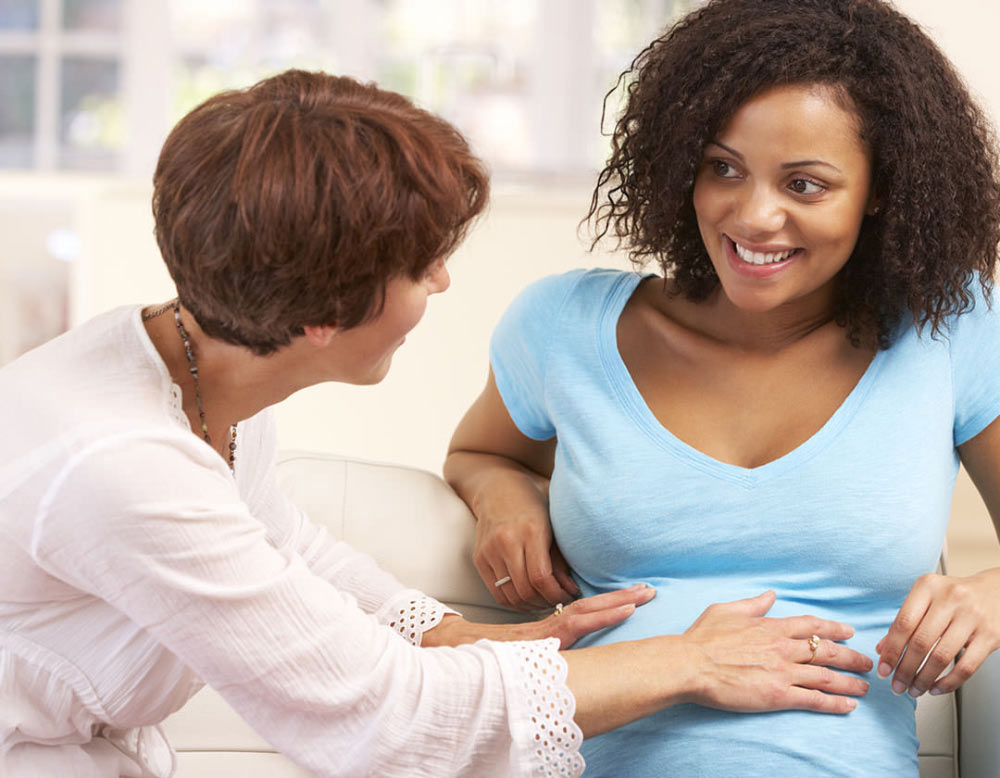
Whilst a viable egg can only be fertilized for around 24-hours, sperm can survive for days inside a woman’s body. Learning when you are most likely to conceive can prevent many of the common frustrations around trying to get pregnant. Most couples trying to conceive move through one or more of these three basic phases:
1. “We’re having a baby!!!!” We’re ready to get pregnant. Toss out the birth control and let’s see what happens…
2. Hmmm. After a few periods, the woman decides, “Well – that didn’t work, why aren’t I pregnant? Let’s start taking my basal body temperature, charting and planning around my cycle….”
3. Yikes! The couple begins to become disheartened. Nothing seems to be working and the calendar watching and charting is in over drive! You are propping your legs up against the wall after sex, and perhaps you have “lost that loving feeling”. It is probably time to start looking into the idea of assisted reproduction via IVF clinics to see if you are candidates.
If you’re trying to conceive, keep in mind that the “normal” period of time for most couples to conceive naturally is between 12-24 months. However, women under the age of 35 may want to speak with their fertility doctor after 12-months, and women 35 and older should discuss potential fertility issues with their doctor after 6-months, to schedule routine checkups and ensure that all is well before proceeding naturally.
Most women have approximately a 28-day menstrual cycle. This cycle is counted from the first day of your period through the day before your next period begins. For an accurate average, it’s a good idea to track the days you’re on your period for 3 – 4 months. Many women have shorter or longer cycles, which shifts their “fertility window” by a few days.
The first step to figuring out your fertility window is knowing when you ovulate. Once you’ve tracked your period for a few months, count backwards 12 days from the day you suspect your next period will begin. Mark this date on your calendar. Then count backwards another four days. This five day range is when your chances for conception are the highest.
Keep in mind that sperm can live in a woman’s body for five to six days! That means you and your partner should begin having sex several days before you anticipate being fertile. The more viable sperm that are around when your egg comes cruising by, the more likely the chances are that a sperm will make contact with an egg. In order to maximize your chances of conception, Dr Stokes recommends having sex every other day (which means he should avoid ejaculation in the meantime) during this period.
If you’ve already narrowed down your fertility window, you can use a little extra effort to pinpoint additional signs.
These kits are available at local pharmacies and are relatively accurate. They predict your ovulation based on the level of luteinizing hormone (LH) in your urine. OPKs can predict ovulation within 12-36 hours. Follow the kits’s exact instructions for optimal results.
During ovulation, your body secretes a different kind of discharge. It’s clear, slippery, and likened to the consistency of egg whites. It helps to form a web which guides sperm to the bull’s eye. When you notice this discharge, it’s a good sign that you are ovulating.
By following their body’s physiological signs and cues, most women are able to figure out when they are most fertile, and can use this information to conceive. Remember that it takes a few months to really learn your cycle so remaining positive will make the process as enjoyable as it should be.
Coastal IVF has been helping couples on the Sunshine Coast have babies for 26 years. With over 60 years of combined experience specialising in infertility between Dr Paul Stokes, the Clinical Director and Peter Jackson, the Director of Embryology of Coastal IVF, you will be in good hands.
Navigating the process of obtaining a working visa in Australia can be daunting. In this blog, we'll simplify the steps and key requirements, guiding you toward making your Australian work dreams come true.
Endometriosis is a common condition affecting 1 in 10 women. And up to 50% of those with presenting with infertility. Click this link for a downloadable patient information leaflet
Unfortunately for some, falling pregnant can be very difficult and a highly stressful time. Understanding ovulation and your ‘fertile window’ (the time period that you can spontaneously conceive) may help you to fall pregnant.
Choosing the right obstetrician is about more than credentials — it’s about finding someone whose expertise, approach, and communication style suit your needs. Ask yourself these five key...
Many cultures expect women to continue working during pregnancy, and it's often possible to do so with a few adjustments. Here are practical strategies to help you manage symptoms and remain...
Many men show no symptoms—but these two issues often go undetected until a fertility assessment...
With the journey of fertility & IVF an often complex and daunting one, knowing what’s right and what’s wrong in preparation for your treatment is key to ensuring you get the best outcome.
We’ve been ranked Queensland’s most successful clinic for women under 35.
Infertility affects 1 in 6 couples and often brings multiple, hidden losses—making it one of life’s most profound emotional challenges.
The 2 week wait between treatment and testing for a successful conception can be a stressful time.
Men who watch television for 20 hours per week have almost half the sperm count of those who watch very little television or none at all, according to a study published by The British Journal of Sports Medicine.
Please note that you require a referral from your GP to one of our doctors in order to access Medicare rebates.
"*" indicates required fields